
Hangzhou, Zhejiang, China – November 9, 2025 – Doer Biologics ("Doer Bio"), a clinical-stage biopharmaceutical company focused on developing innovative biologic therapies for metabolic diseases and cancer, and a controlled subsidiary of Huadong Medicine, announced that the primary results from the Phase 2 clinical trial ("DR10624-201 Study") of its self-developed, first-in-class long-acting tri-specific agonist targeting Fibroblast Growth Factor 21 Receptor (FGF21R), Glucagon Receptor (GCGR), and Glucagon-like peptide-1 Receptor (GLP-1R), DR10624, for the treatment of Severe Hypertriglyceridemia (SHTG), were presented in the opening session of the main program at the American Heart Association's Scientific Sessions 2025 (AHA 2025).
The Principal Investigator of the DR10624-201 study, Professor Li Jianping, Vice President of Peking University First Hospital and Director of the Institute of Cardiovascular Diseases, delivered the opening presentation in the session "Late-Breaking Science: Groundbreaking Trials in Cardiometabolic Therapeutics," announcing the highly anticipated clinical data from the DR10624-201 study.
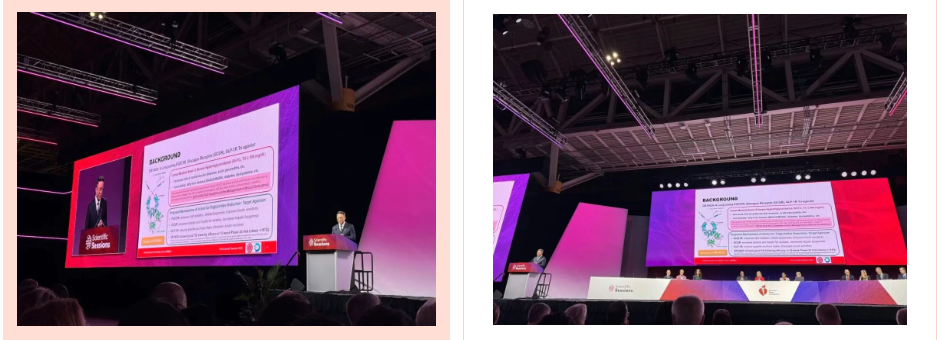
Figures 1-3. Professor Li Jianping delivering the opening presentation at AHA 2025.
The DR10624-201 study was a multicenter, randomized, double-blind, placebo-controlled Phase 2 clinical study conducted in China. Key inclusion criteria were: (1) Age 18 to 75 years, male or female; (2) BMI between 19-45 kg/m² at screening; (3) Fasting triglycerides ≥500 mg/dL (5.65 mmol/L) and <2000 mg/dL (22.6 mmol/L) at randomization. Eligible subjects were randomly assigned in a 1:1:1 ratio to three dose groups: 12.5 mg, 25 mg, and 50 mg titration. Within each dose group, eligible subjects received subcutaneous injections of either DR10624 or an equivalent volume of placebo in a 3:1 ratio. Dosing frequency was once weekly for 12 consecutive weeks. The primary efficacy endpoint was the change from baseline in fasting triglycerides (TG). Secondary endpoints included: safety and tolerability, change in liver fat content assessed by MRI-PDFF, lipid profile (e.g., total cholesterol, non-HDL-C, HDL-C), apolipoproteins, other important metabolic parameters (e.g., body weight, HbA1c, uric acid, adiponectin), and multiple-dose pharmacokinetic characteristics.
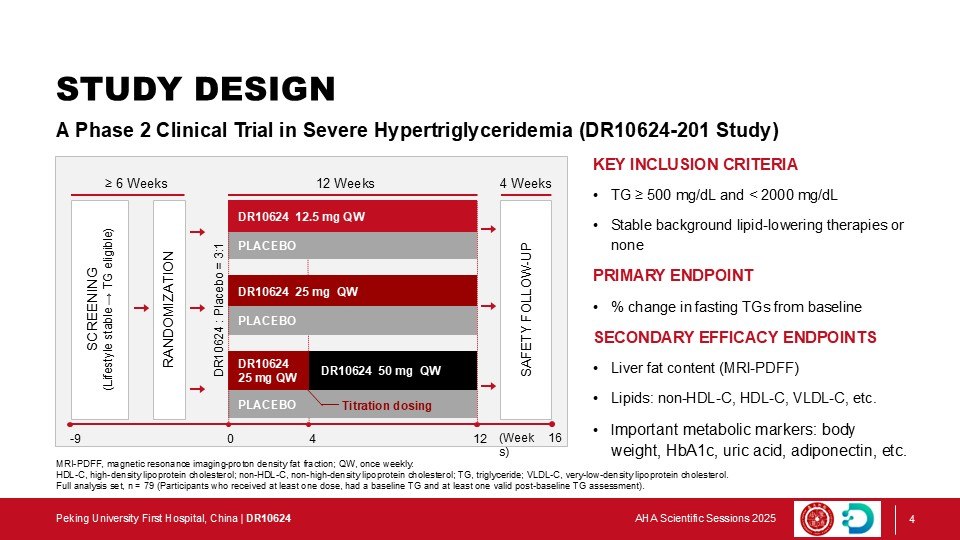
Figure 4. Design of the DR10624-201 Study.
Clinical results showed that all dose groups of DR10624 demonstrated significant and rapid efficacy in reducing triglycerides (TG). A rapid decrease in triglyceride levels was observed in SHTG patients after the first dose of DR10624, and subjects maintained low triglyceride levels throughout the 12-week treatment period. At Week 12, all dose groups of DR10624 showed significant reductions in triglyceride levels compared to placebo, with a maximum median percentage reduction of up to 74.5%.
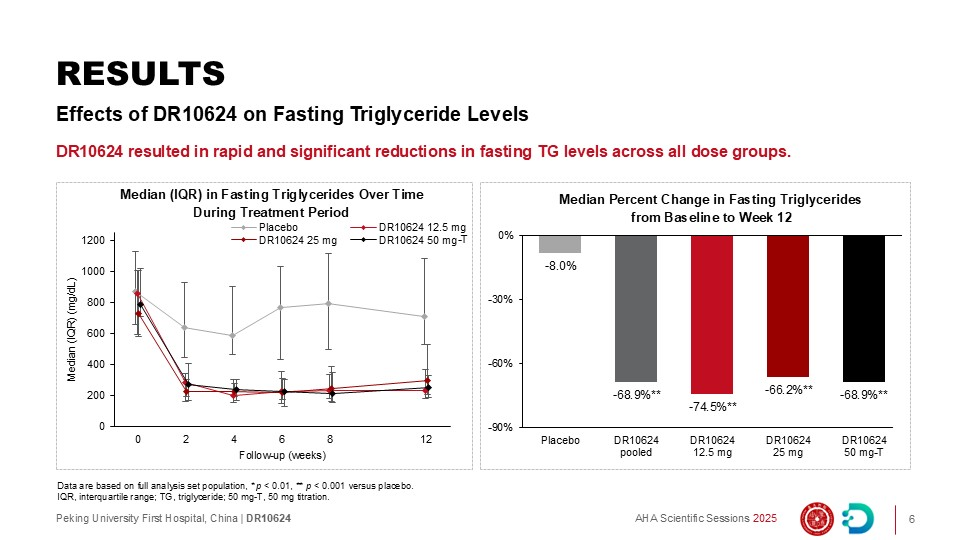
Figure 5. Effect of DR10624 on Fasting Triglyceride Levels.
Compared to the placebo group, DR10624 demonstrated a significantly high response rate in SHTG patients. After treatment with DR10624, 89.5% of subjects achieved triglyceride levels below 500 mg/dL (reducing risk of acute pancreatitis, etc.), 19.1% of subjects achieved triglyceride levels below 150 mg/dL (normalization of triglyceride levels), and 78.5% of subjects achieved a ≥50% reduction in triglyceride levels from baseline.
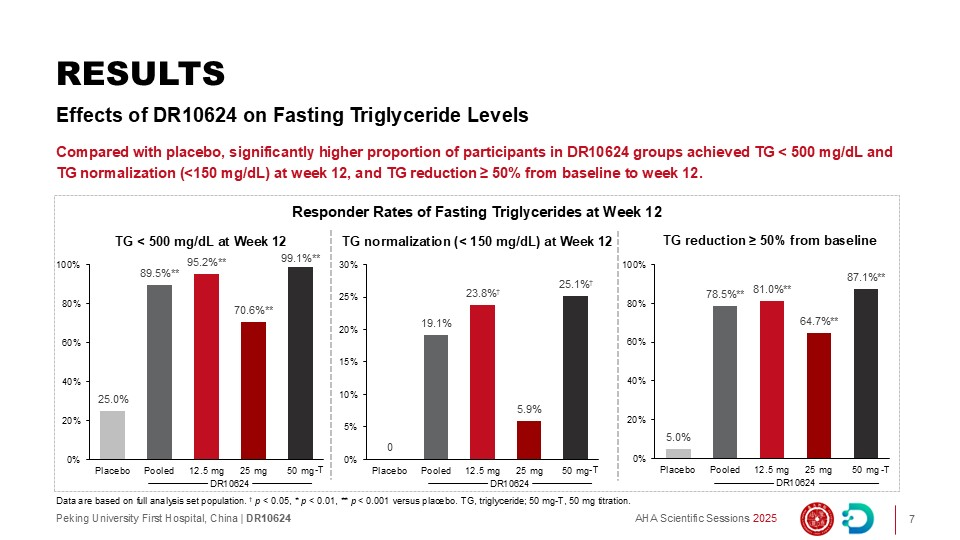
Figure 6. Response Rates to DR10624 in SHTG Patients.
Furthermore, DR10624 exhibited excellent efficacy in improving atherogenic lipid profiles. Compared to placebo, all dose groups of DR10624 significantly reduced Total Cholesterol, Non-HDL-C, Triglyceride-Rich Lipoprotein Cholesterol (TRL-C, i.e., Remnant Cholesterol), VLDL-C, and Apolipoprotein C3 (ApoC3). Concurrently, DR10624 significantly increased cardioprotective HDL-C.
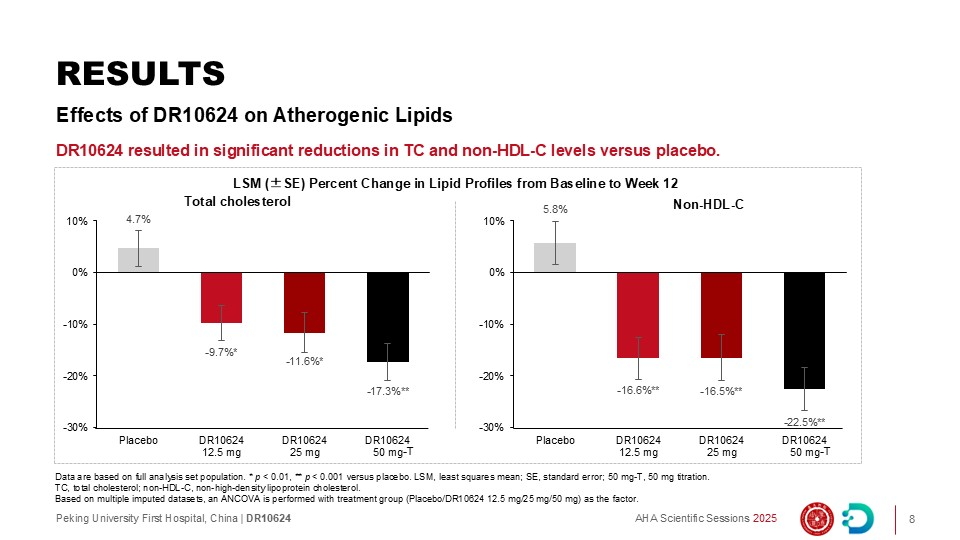
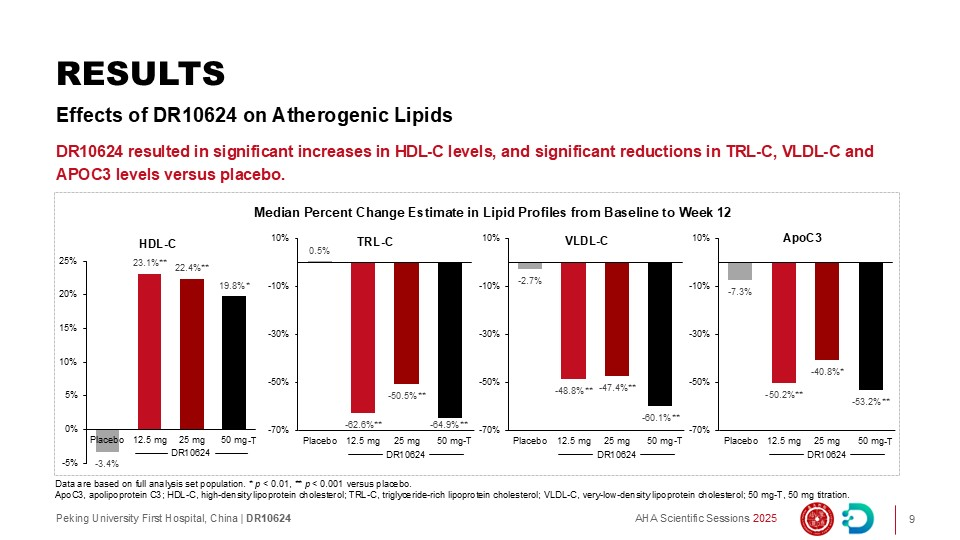
Figures 7-8. Effect of DR10624 on Lipid Profile.
After 12 weeks of treatment, all dose groups of DR10624 showed significant reductions in Liver Fat Content (LFC) compared to the placebo group, with a maximum median percentage reduction of up to 67%. Moreover, the proportions of subjects achieving LFC reductions from baseline of ≥30%, ≥50%, and complete normalization of liver fat (LFC <5%) were all significantly higher in the DR10624 group than in the placebo group.
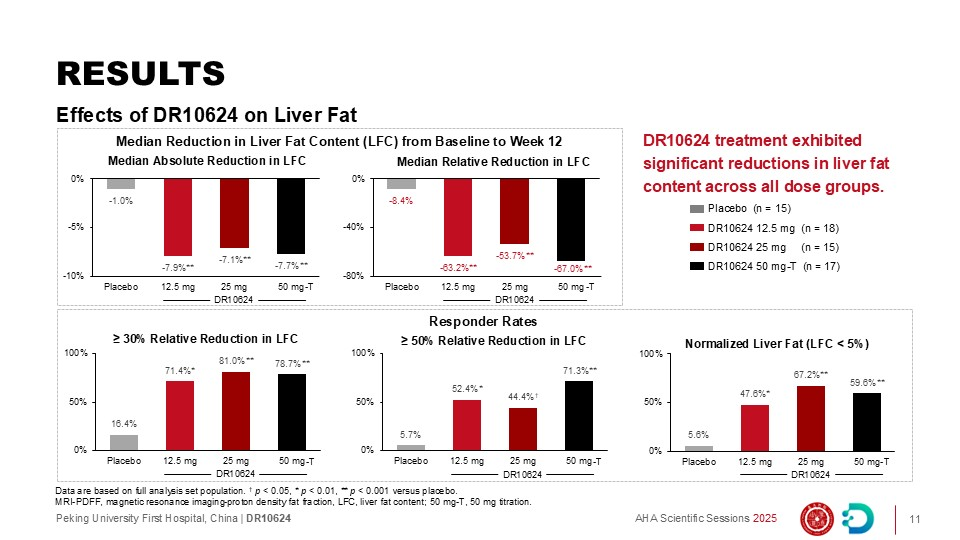
Figure 9. Effect of DR10624 on Liver Fat.
MRI-PDFF imaging data from four representative subjects showed that liver fat was almost completely cleared, reaching normalization (LFC <5%), in three subjects after 12 weeks of DR10624 treatment, while the subject receiving placebo showed an increase in liver fat content from baseline.
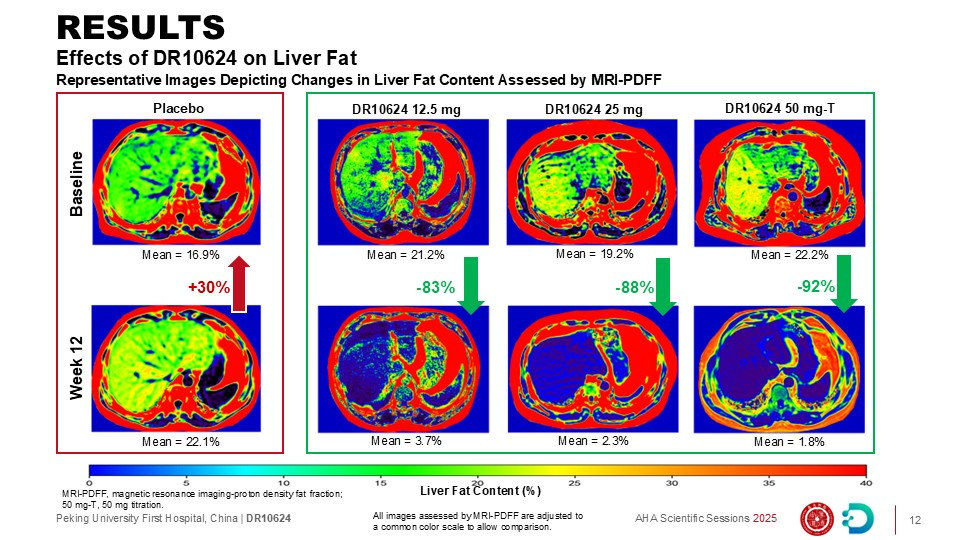
Figure 10. MRI-PDFF Images Showing Liver Fat Content Changes in Representative Subjects.
More notably, compared to the placebo group, the DR10624 50 mg titration dose group showed a significant increase in adiponectin levels (suggesting substantial improvement in insulin sensitivity), a significant reduction in uric acid levels (beneficial for kidneys, heart, etc.), and body weight reduction after 12 weeks of treatment. In subjects with baseline HbA1c ≥6.5%, a clinically meaningful reduction in HbA1c of 0.68% was observed. The comprehensive improvement in metabolic parameters observed with DR10624 can be attributed to its unique mechanism of action, i.e., triple-target agonist activity.
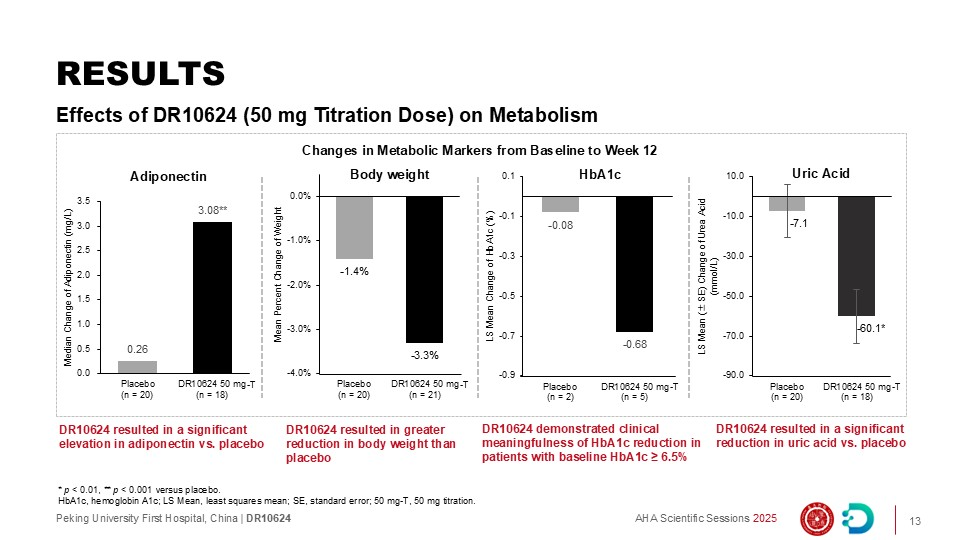
Figure 11. Effect of DR10624 on Metabolic Parameters.
All dose groups of DR10624 demonstrated favorable safety and tolerability profiles in this study. The severity of adverse events was primarily mild to moderate. The most common TEAEs included nausea, appetite changes, and injection site reactions.
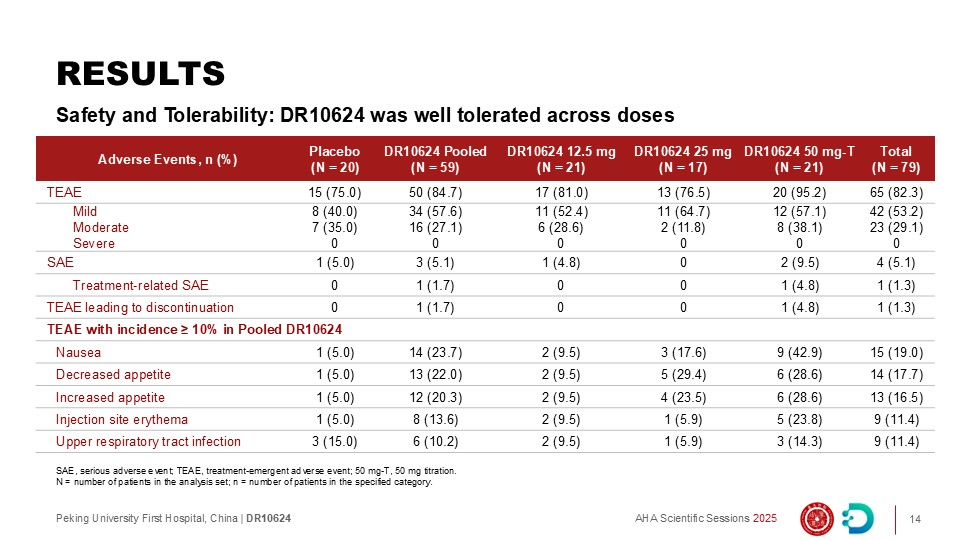
Figure 12. Safety and Tolerability of DR10624.
The excellent clinical data from the DR10624-201 study indicate that this global first-in-class long-acting triple agonist targeting FGF21R, GCGR, and GLP-1R holds promise for bringing new hope to patients with Severe Hypertriglyceridemia! DR10624 demonstrated significant comprehensive metabolic benefits in SHTG patients: highly effective and sustained reduction of triglyceride levels (up to 74.5%) over the 12-week treatment period, optimization of multiple atherogenic lipid parameters, rapid and efficient elimination of liver fat (up to 67%), and improvement in multiple metabolic parameters (adiponectin, uric acid, body weight, HbA1c, etc.). It was well-tolerated with an acceptable safety profile, and the severity of drug-related major adverse events was mostly mild to moderate. These positive clinical data support the future initiation of larger-scale Phase 3 clinical trials for DR10624 to further explore its therapeutic potential in patient populations with SHTG, mixed hyperlipidemia, and metabolic dysfunction-associated steatohepatitis (MASH), among others.
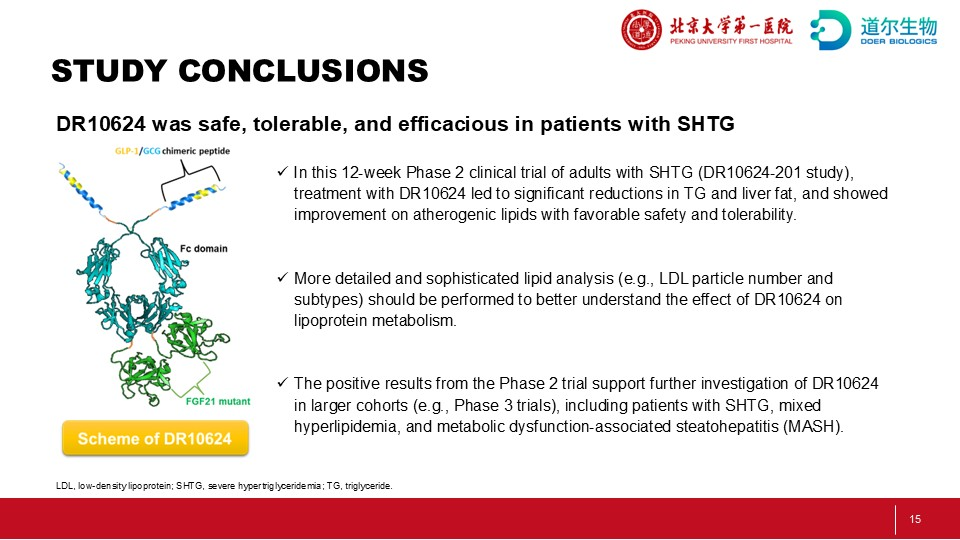
Figure 13. Summary of the DR10624-201 Study.
Doer Biologics sincerely thanks the investigators, research staff, and subjects who participated in the DR10624-201 study!
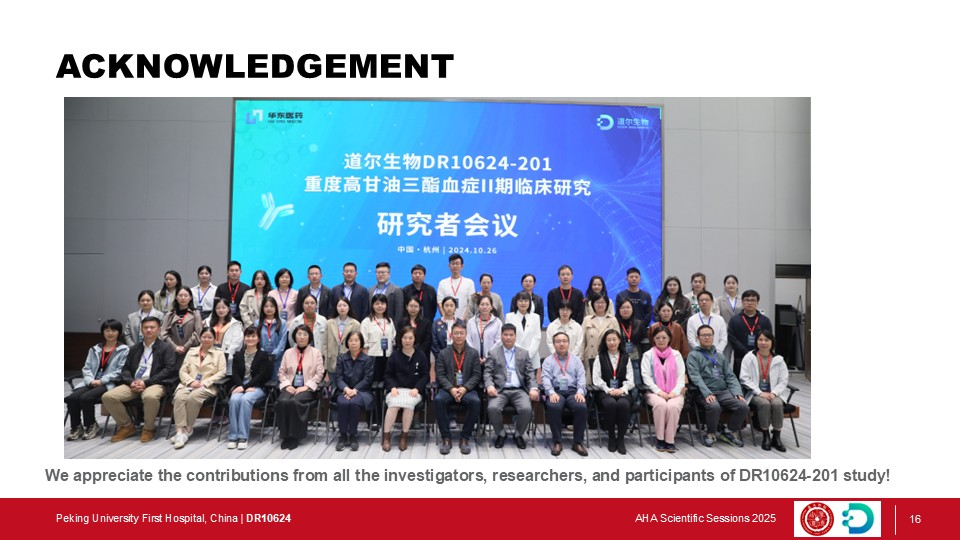
Figure 14. Group photo from the DR10624-201 investigator meeting.
Dr. Xu Junfang, Chief Medical Officer of Huadong Medicine, and Dr. Fang Yongliang, Chief Operating Officer of Doer Bio, also attended the AHA 2025 conference in New Orleans, USA, alongside Professor Li Jianping.

Figures 15-16. Dr. Xu Junfang and Dr. Fang Yongliang attending the conference, and a group photo with Professor Li's team.
Lv Liang, Chairman and General Manager of Huadong Medicine Co., Ltd., commented: "We are immensely honored to present the Phase 2 clinical results of DR10624 for the first time globally in the opening session of AHA 2025, a top-tier academic conference in the global cardiovascular field. This not only highlights the outstanding innovative capabilities of Huadong Medicine and Doer Bio in the R&D of therapies for metabolic and cardiovascular diseases but also marks a memorable milestone in the history of innovative cardiovascular drug development in China. Huadong Medicine and Doer Bio will continue to deepen our commitment to innovative drug R&D, promoting more China-originated innovative therapies to the world, providing better treatment options for global patients."
Dr. Huang Yanshan, Founder and CEO of Doer Bio, commented: "DR10624 is a first-in-class long-acting triple-target agonist targeting FGF21R, GCGR, and GLP-1R. DR10624 was developed using Doer Bio's proprietary MultipleBody® platform technology, designed to provide comprehensive metabolic benefits for patients with metabolic diseases. The successful release of the positive Phase 2 clinical results for DR10624 on the international stage of AHA 2025 not only sends a strong 'Chinese voice' to the world but also reinforces our confidence in Doer Bio's platform technologies."
Dr. Fang Yongliang, Chief Operating Officer of Doer Bio, commented: "The public health threat posed by SHTG is gaining increasing attention. SHTG patients face higher risks of acute pancreatitis, fatty liver disease, and atherosclerotic cardiovascular disease (ASCVD), which in turn increase the risks of hospitalization and death. The Phase 2 clinical results in SHTG presented for the first time at AHA 2025 demonstrate that DR10624 exhibits statistically significant efficacy in reducing triglycerides, comprehensively improving lipid profiles, rapidly and deeply eliminating liver fat, improving insulin sensitivity, and reducing uric acid. The high-dose group also showed clinically meaningful reductions in HbA1c and body weight, providing subjects with comprehensive metabolic benefits. DR10624 has the potential to become an innovative therapy for SHTG, fatty liver disease, and various cardiovascular diseases in the future."
About Doer Biologics
Zhejiang Doer Biologics Co., Ltd. ("Doer Bio") is a clinical-stage biopharmaceutical company focused on discovering and developing multi-domain-based multi-specific biologic therapeutics to address unmet medical needs in metabolic diseases and cancer. Doer Bio has developed several proprietary platform technologies, including xLONGylation®, MultipleBody®, AccuBody®, and SMART-VHHBody™.
For more information about Doer Bio, please visit www.doerbio.comor contact bd@doerbio.com.